Home/Collections
Sample directions

Three categories, twelve directions, one material logic

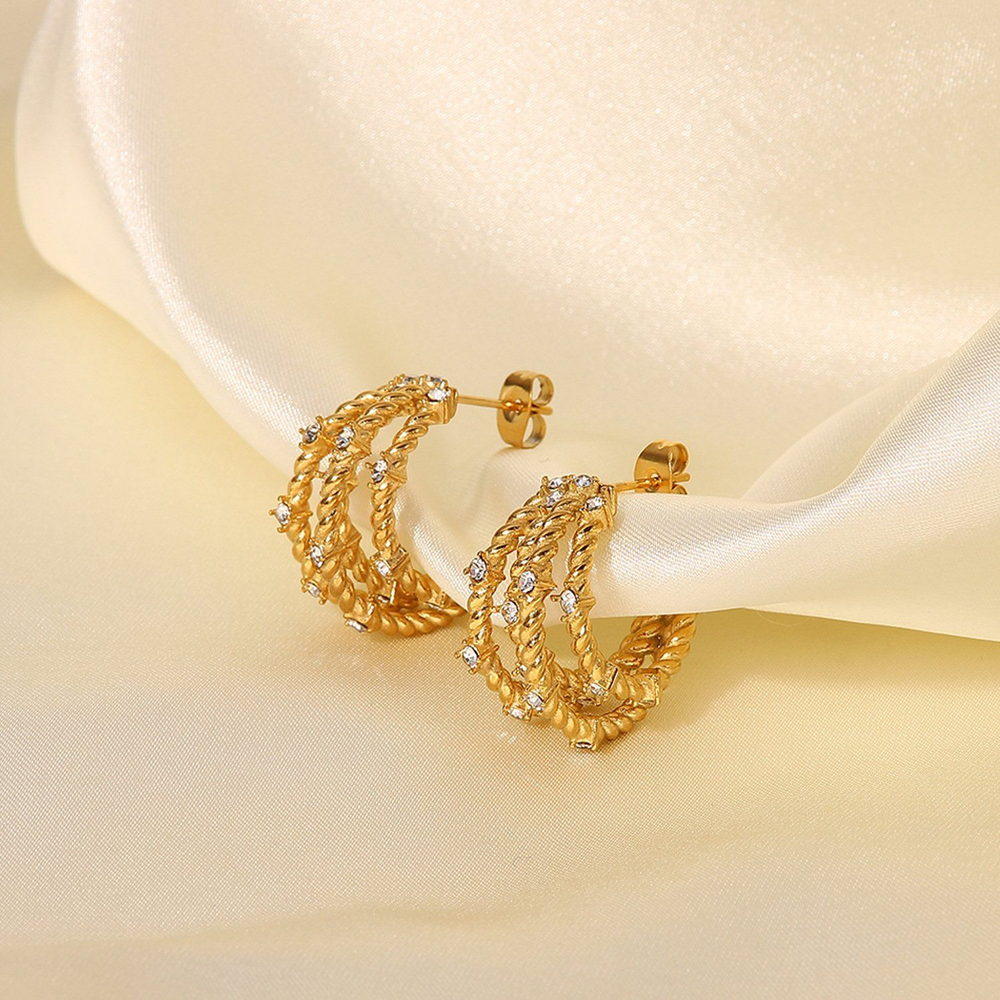
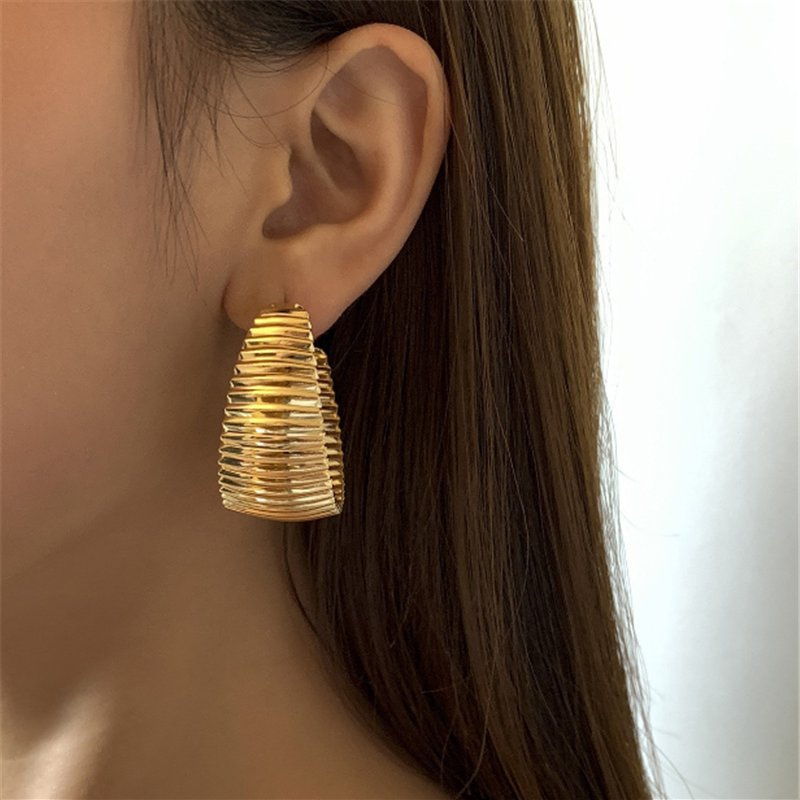
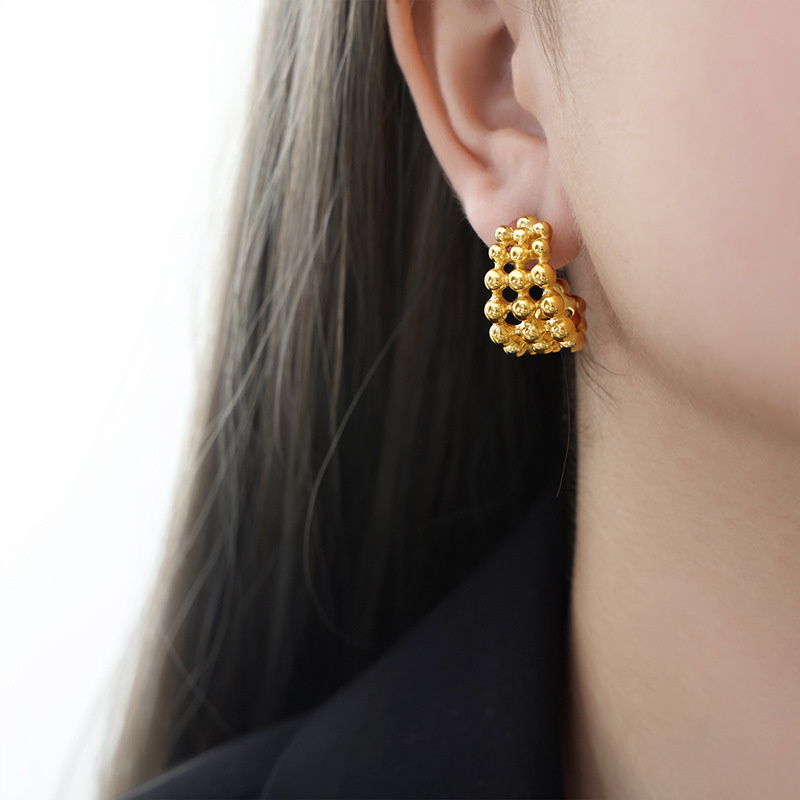
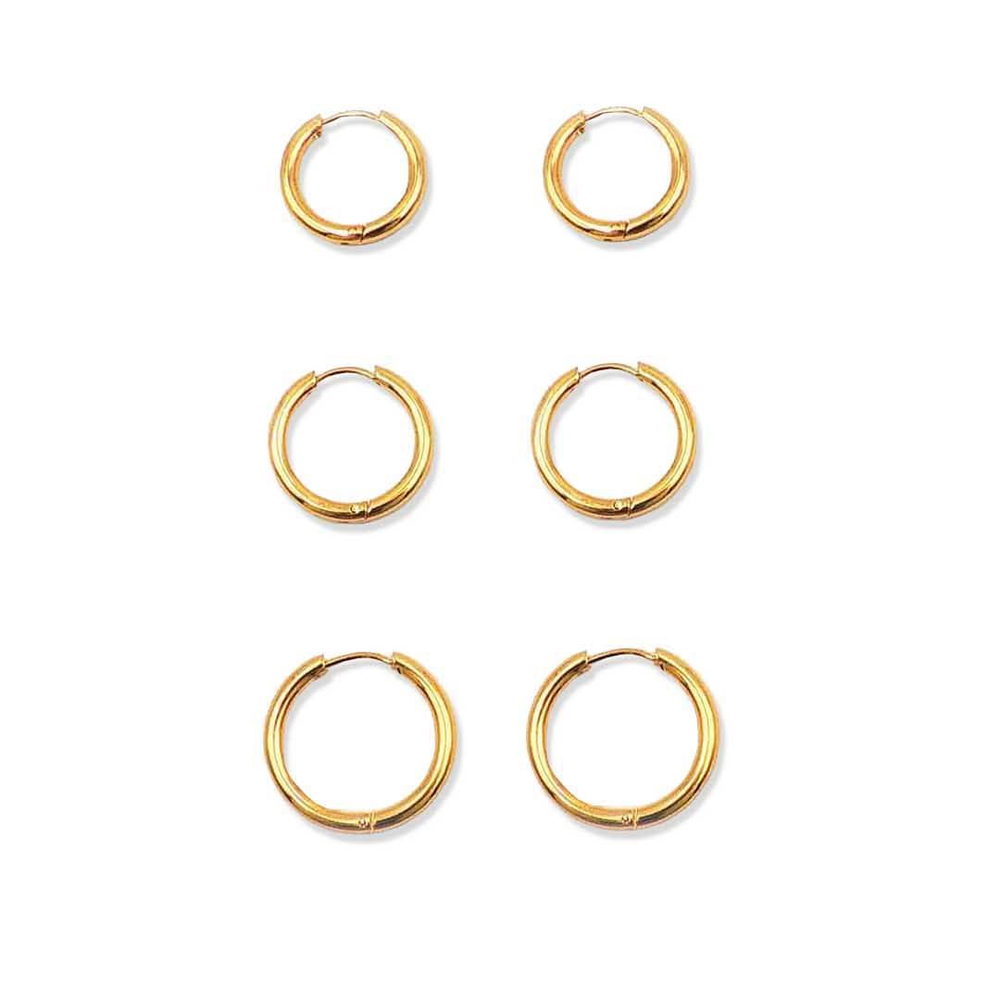
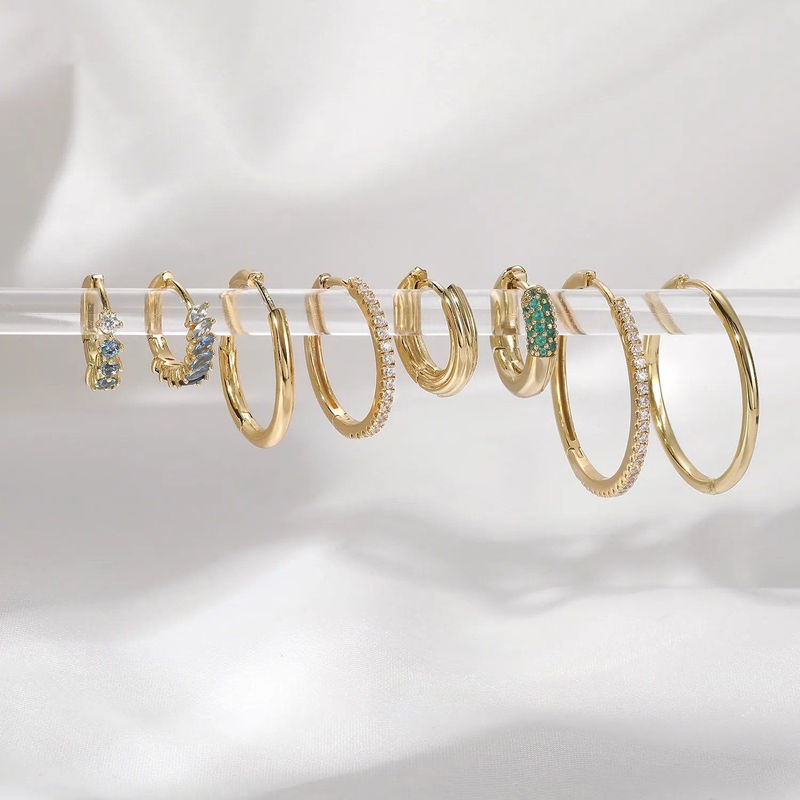
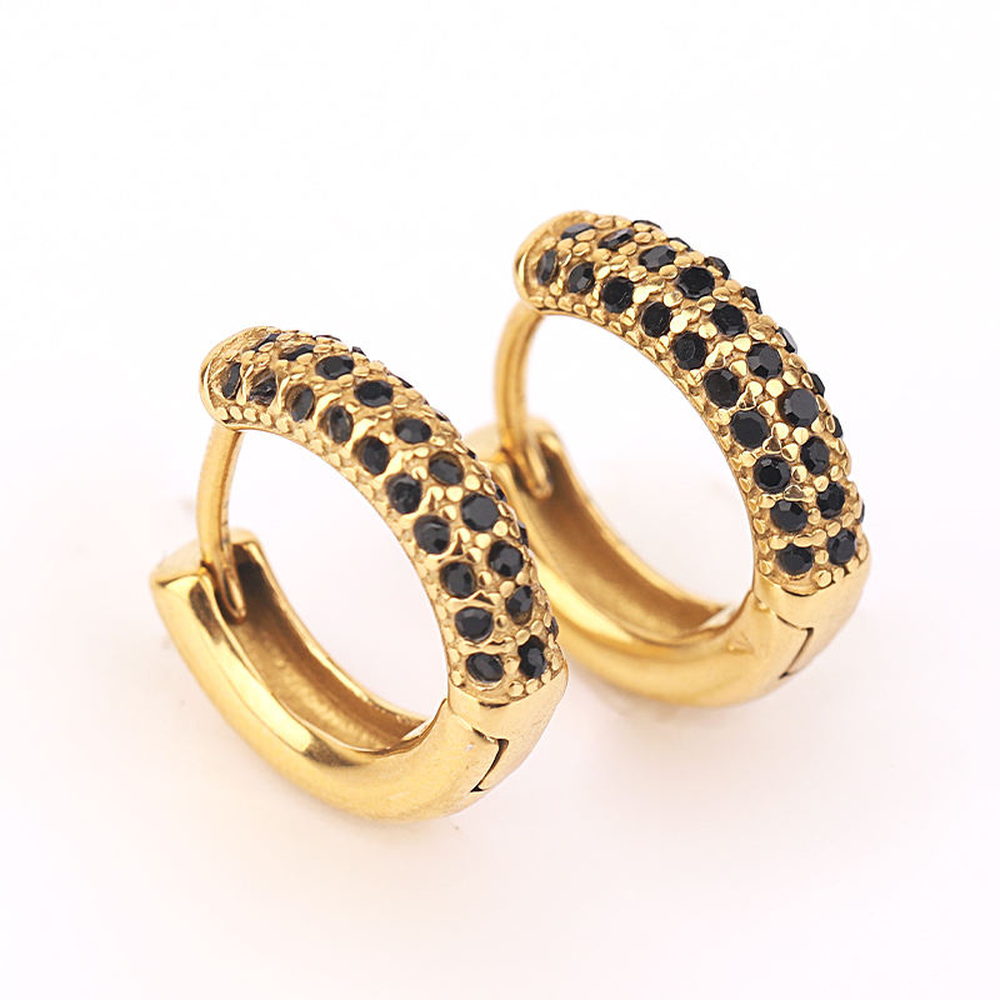
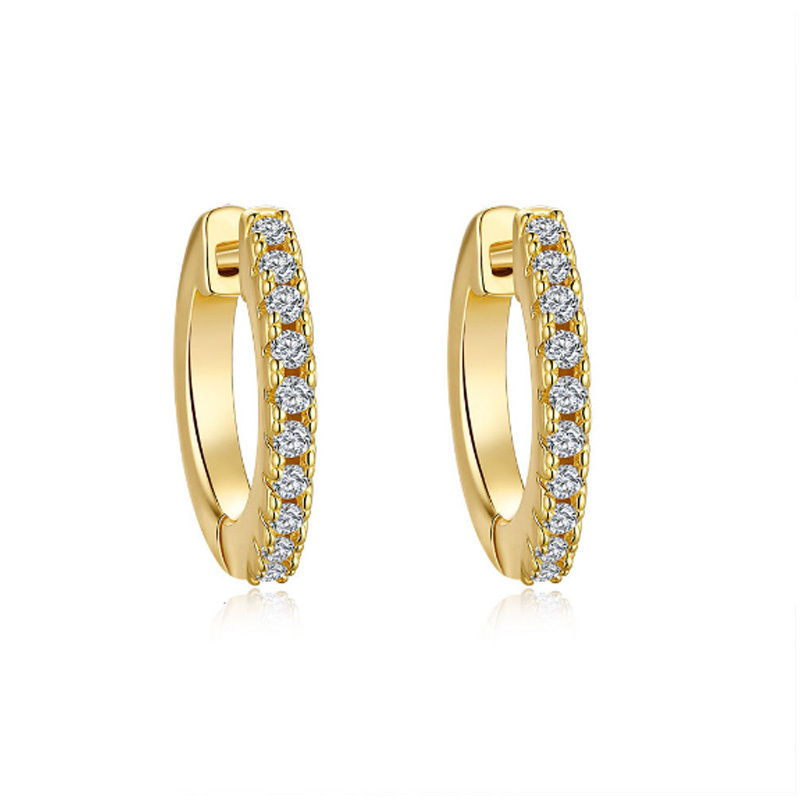
Each direction below is a starting point, not a fixed catalog. You send one reference; we widen or narrow the board from there. Every category runs on the same 316L stainless steel base and the same plating route, which is why a first earring board can grow into a matching set instead of a pile of unrelated items. Each direction carries two views — a product shot and a second angle, worn on a model, shown as a size run, or laid out flat — because scale is the one thing a single photograph cannot tell you.

Measurement convention

How we measure, so a number means the same thing to both of us

Every direction is quoted on the same small set of figures. When a direction is confirmed we send these for the exact pieces we sample — not for the photograph. The drawings below are schematic and not to scale.

Huggie / hoop

Earrings
A B C D
AInner diameterThe hole the lobe sits in. This is what decides whether it reads as a huggie or a full hoop.
BOuter diameterMeasured across the outside face — the figure a client sees in a product photo.
CWire thicknessThe gauge of the hoop itself. Thin wire looks delicate; thick wire hides plating better.
DPost gaugeOnly for pierced styles. Part of this sits inside the piercing, so it carries the tighter release limit.

Chain / necklace

Necklaces
C B A
ALength, clasp to claspQuoted end to end without the extender, so "40 cm" means the same thing whoever you ask.
BChain widthEnlarged in the drawing because at true scale a 1.5 mm and a 2 mm chain look identical.
CExtenderLength of the adjustable tail, if the design has one. Quoted separately, never folded into A.

Band / ring

Rings
A B face on C edge view
AInner diameterThe number that maps to a ring size. Quote it in mm; size codes differ between countries.
BBand thicknessMetal gauge across the band. Thin bands are lighter and cheaper; thin also bends.
CBand widthHow wide the band sits on the finger. Only visible from the edge — hence the second view.
Open sizes on purpose. No dimension on this page is fixed yet. Each direction is sampled to the figure you need, and the confirmed numbers are sent with the sample sheet — so quote against the sheet, not against this page.
Category 01

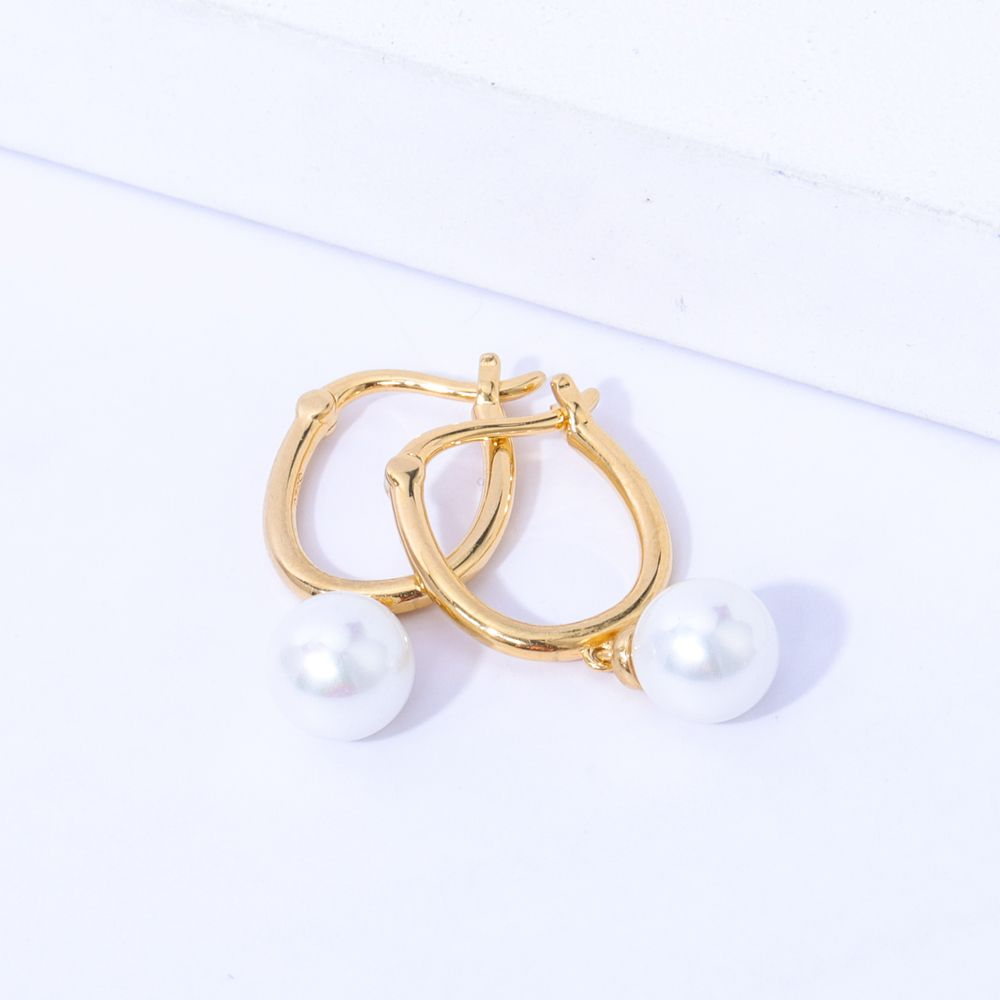
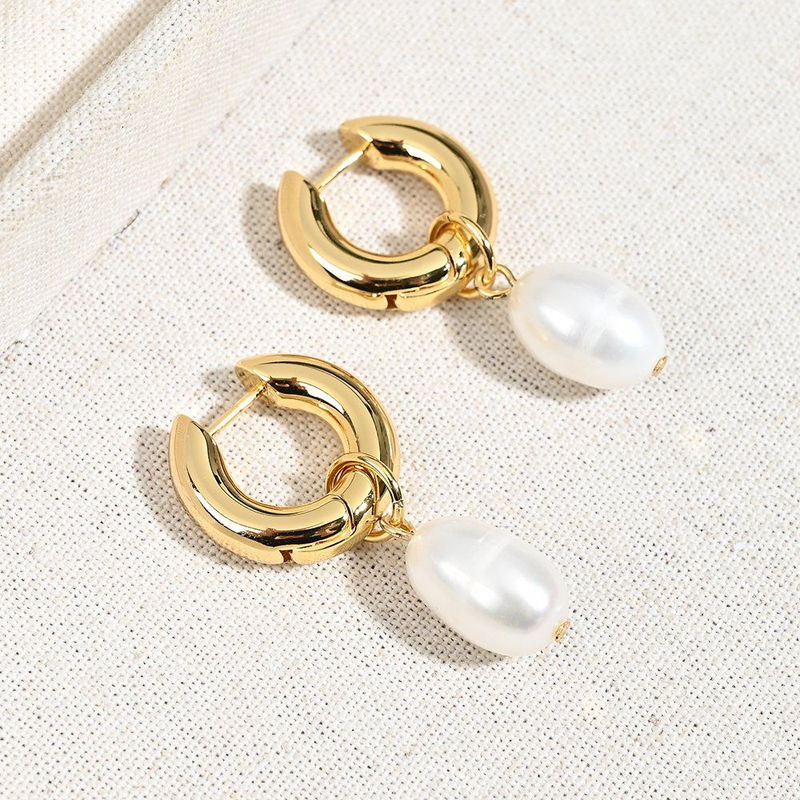
Earrings & huggies

This is the narrow wedge we are known for, and it is also the category where the compliance bar is highest — an earring post sits inside a piercing, so the nickel question is not optional. Getting it right here sets the routine that necklaces and rings then inherit.
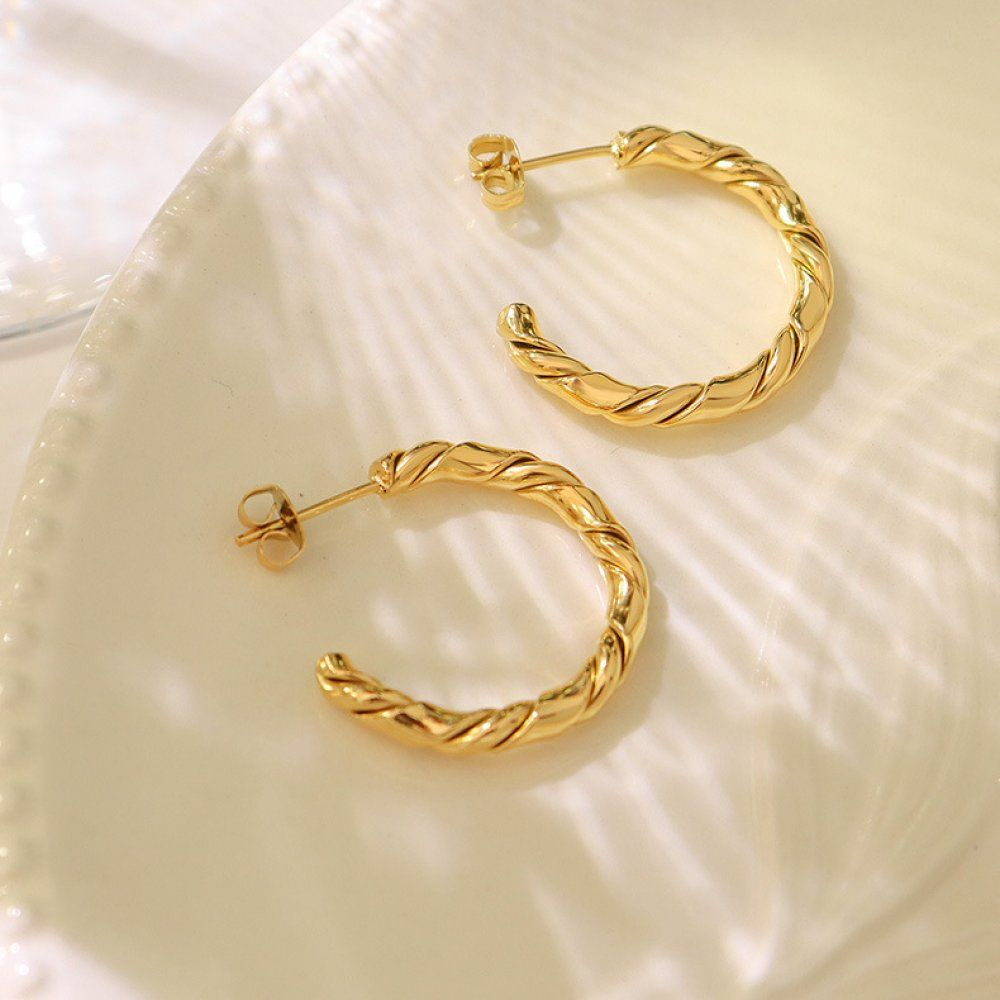
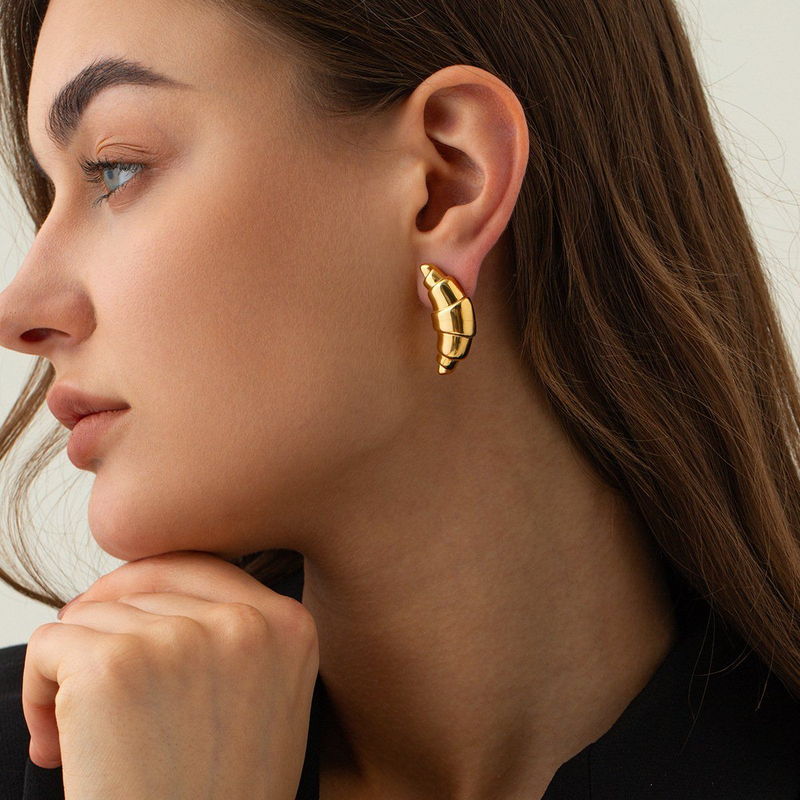
What we check on every earring direction

  • Ear post construction — thickness, alignment and whether the post is welded or pressed into the hoop.
  • Closure and hinge tension — whether the clicker holds under normal wear or opens on its own.
  • Plating tone under daylight — photographed against the approved sample, not against a memory.
  • Texture registration — whether the twist or rib reads the same depth across the batch, not just on the hero piece.
  • Edge and burr — a textured piece hides a rough edge on camera and shows it on the customer.
  • Nickel release documentation — requested from the supplier, including which lab, which method version and which date.
Why the earring category sets the standard: if a supplier can handle a pierced-wear piece properly, the chain and ring work is straightforward by comparison. Starting anywhere else means inheriting the risk later without having tested the factory on the hardest question first.
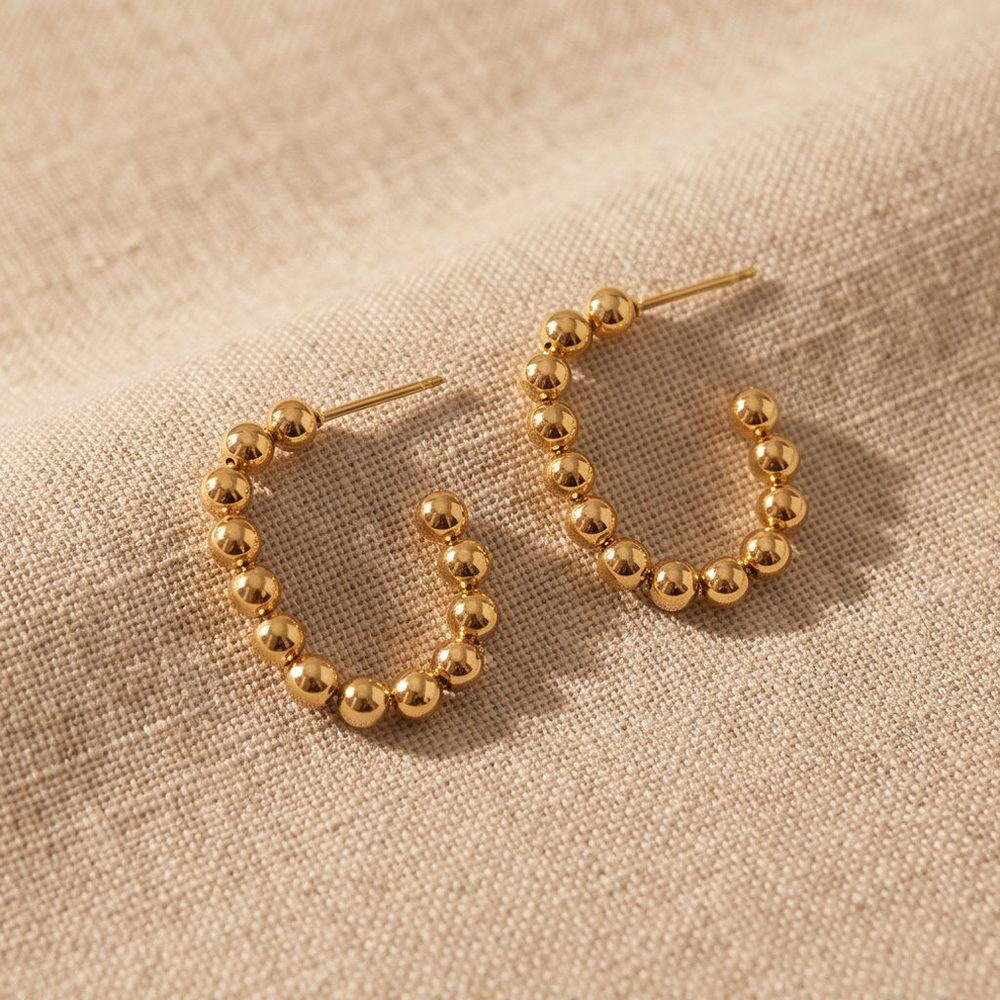
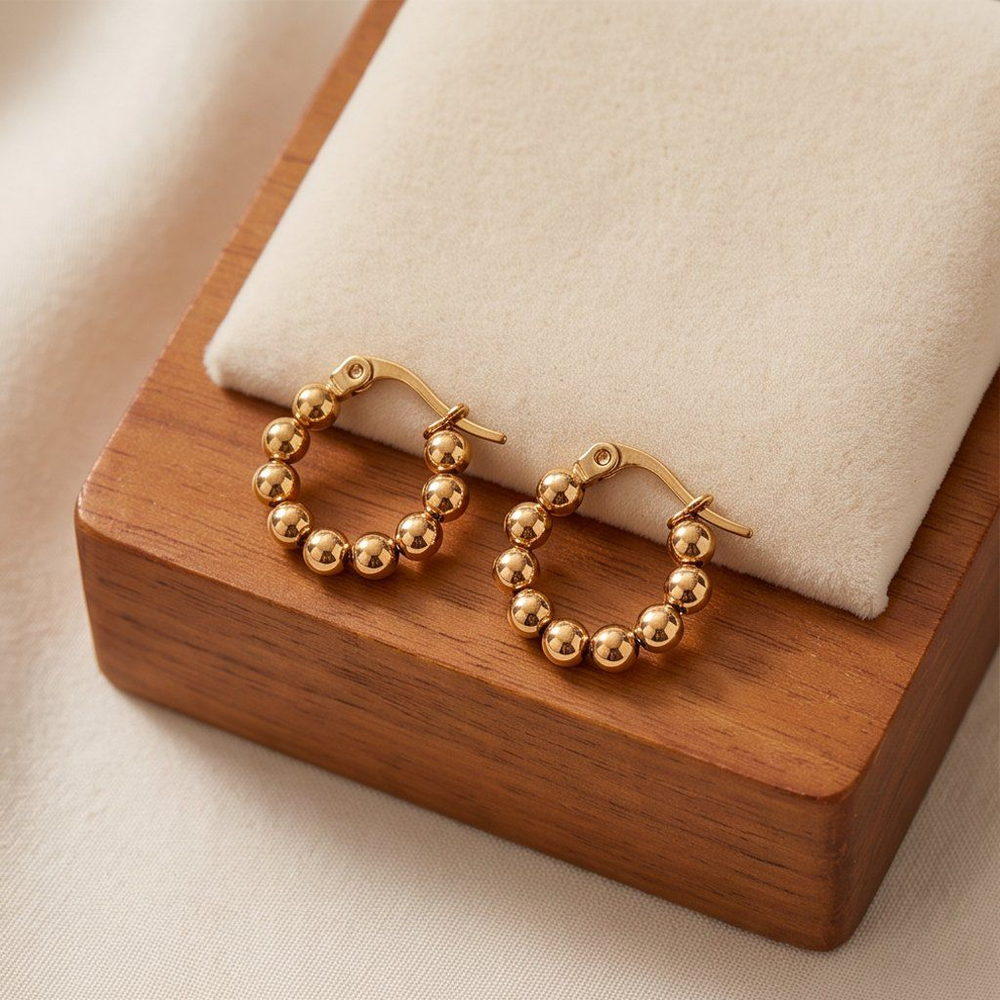
Two gold-tone bead-textured huggie earrings resting on a wooden block
Beaded huggies — one of six earring directions.
Category 02

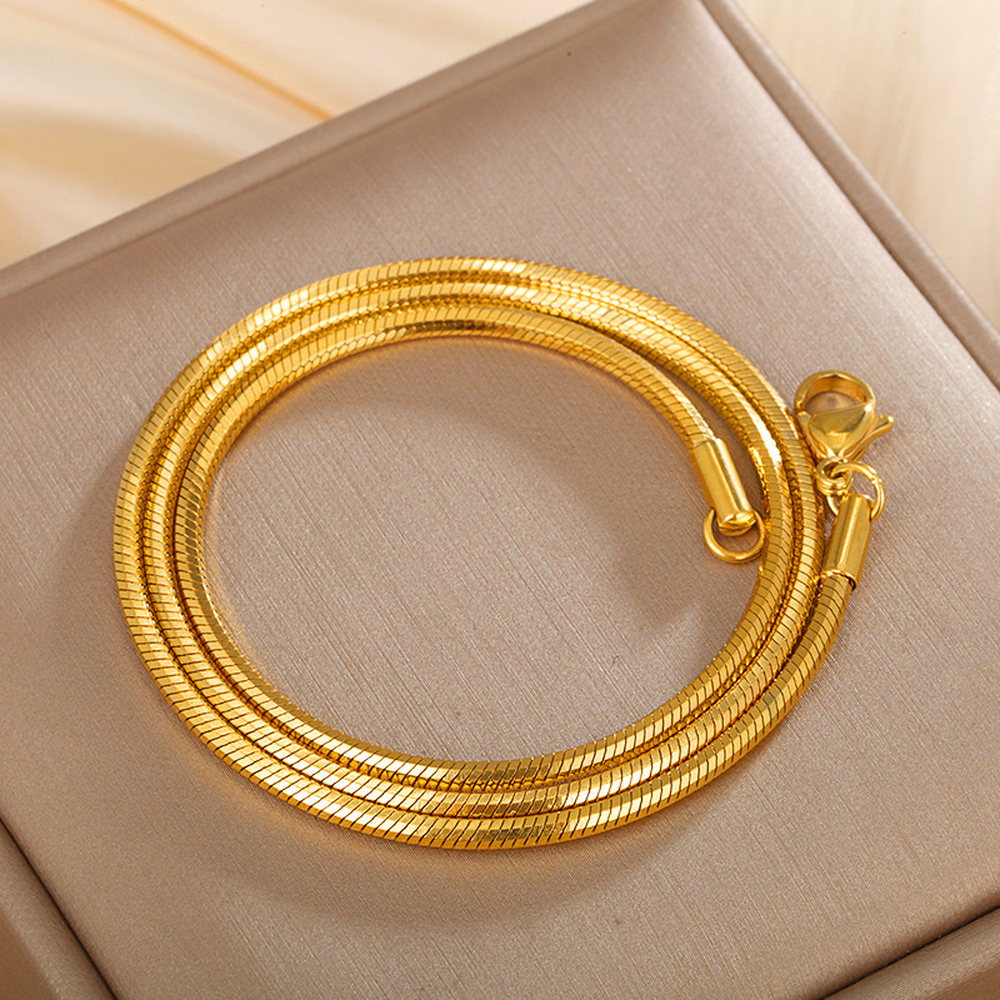
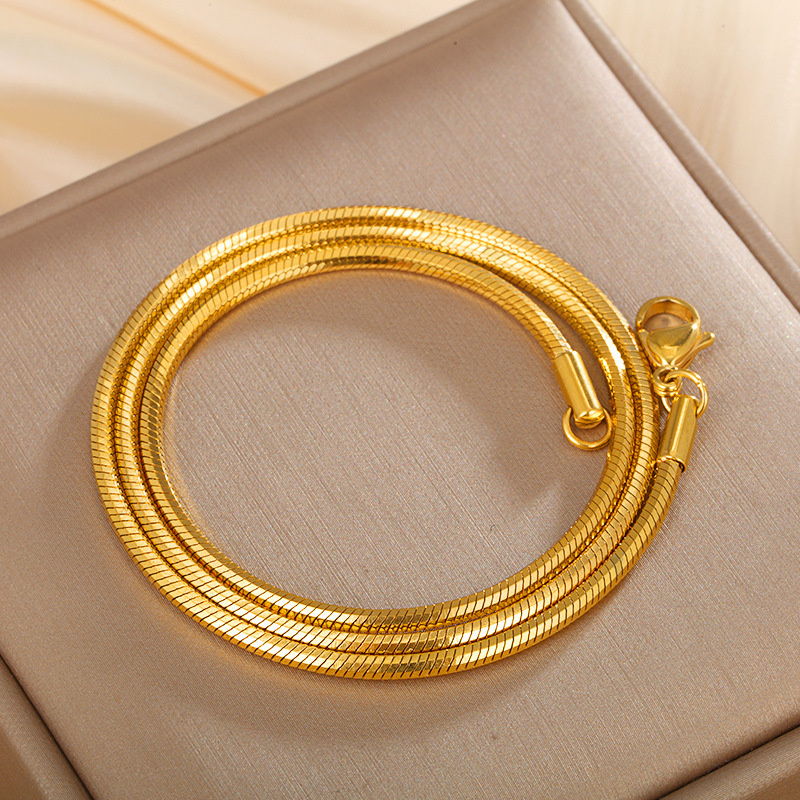
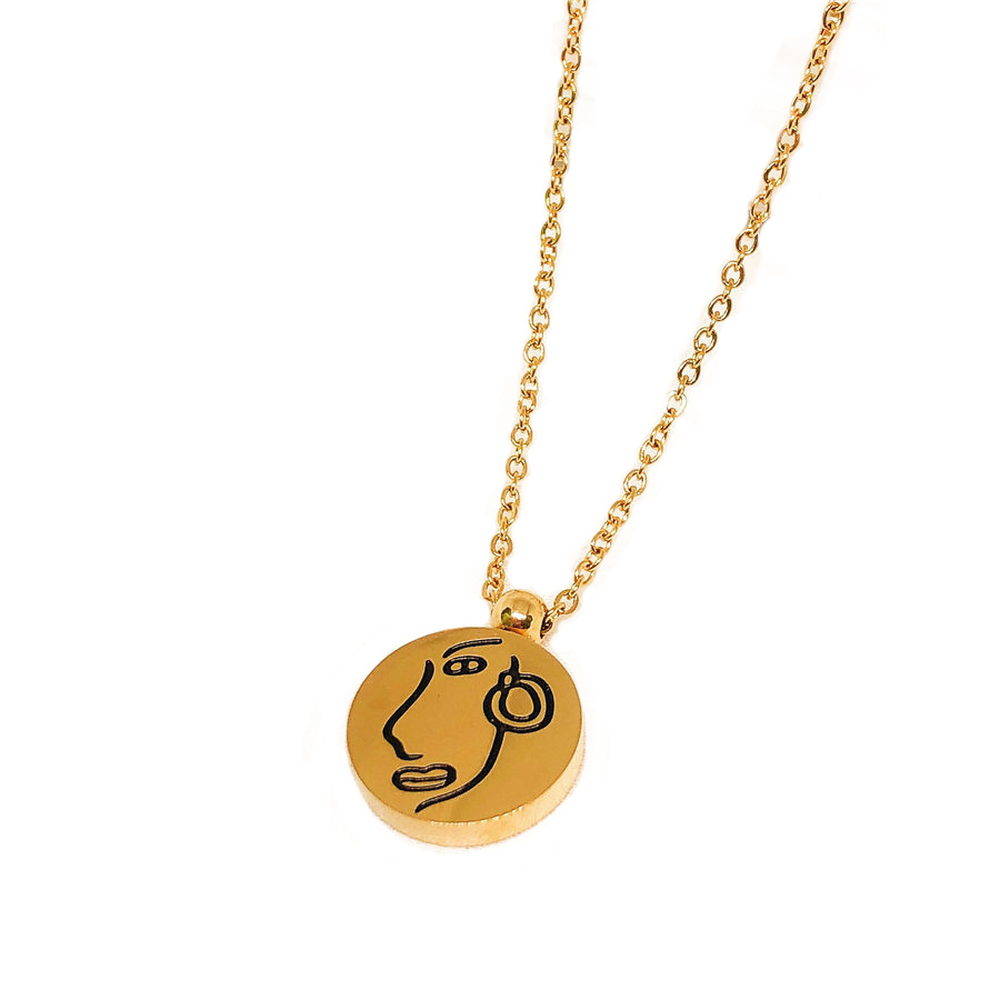
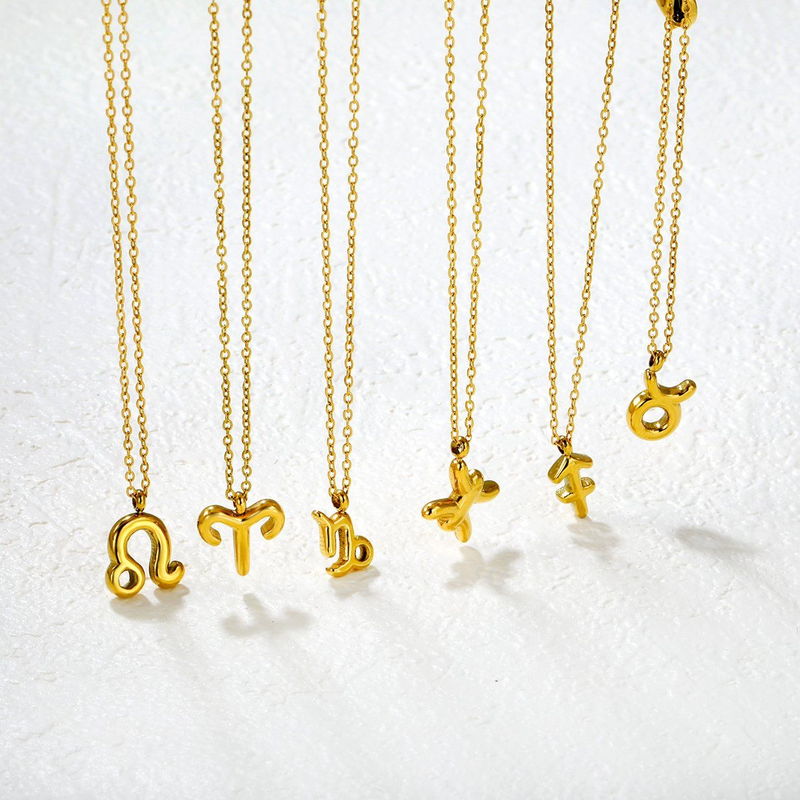
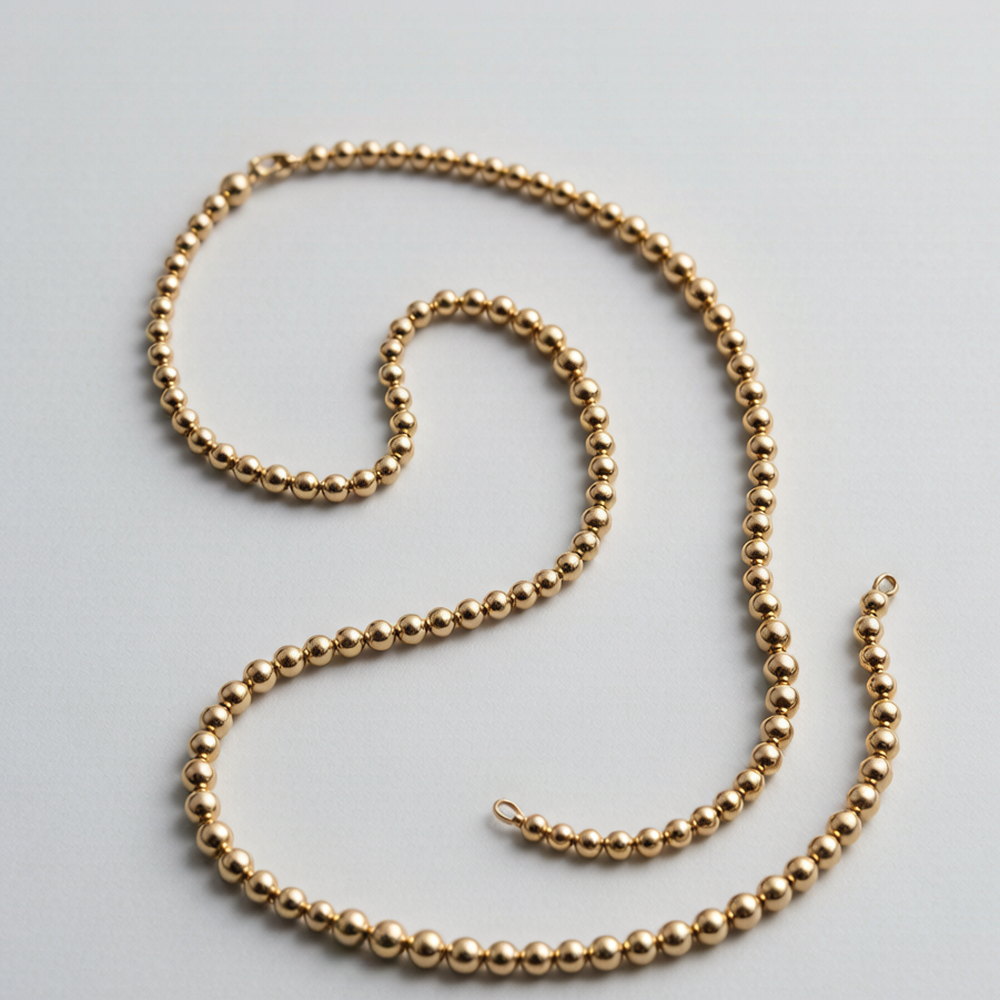
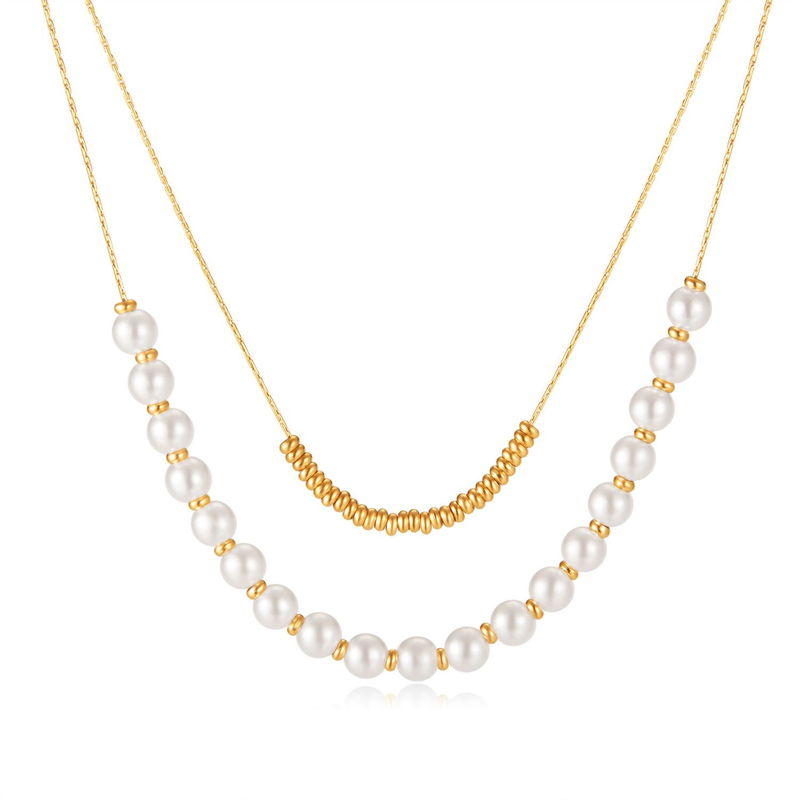
Necklaces & chains

This is the first category we add after earrings, because it is the cheapest possible extension: the same buyers, the same 316L supply chain, the same plating route, and the same test logic. It is what turns a single-item order into a collection order.

What we check on every chain direction

  • Link-to-link uniformity — the single point that separates a chain that looks expensive from one that does not.
  • Clasp type and tension — lobster, box or magnetic, and whether it holds without being fiddly to open.
  • Extender and finish — whether the extender chain uses the same link quality or a cheaper one tacked on.
  • Neckline lengths — actual measured lengths, not the nominal label on the supplier sheet.
  • Plating coverage at the clasp — where plating is thinnest and where wear shows first.
  • Kink and drape — how the chain behaves after being coiled and uncoiled, which is what shipping does to it.
Honest limitation: a chain hides plating wear less kindly than an earring does — the surface area is larger and the piece sits against skin all day. If a claim depends on wear performance, that needs the supplier's own durability documentation, and we will not state a wear period on your behalf.
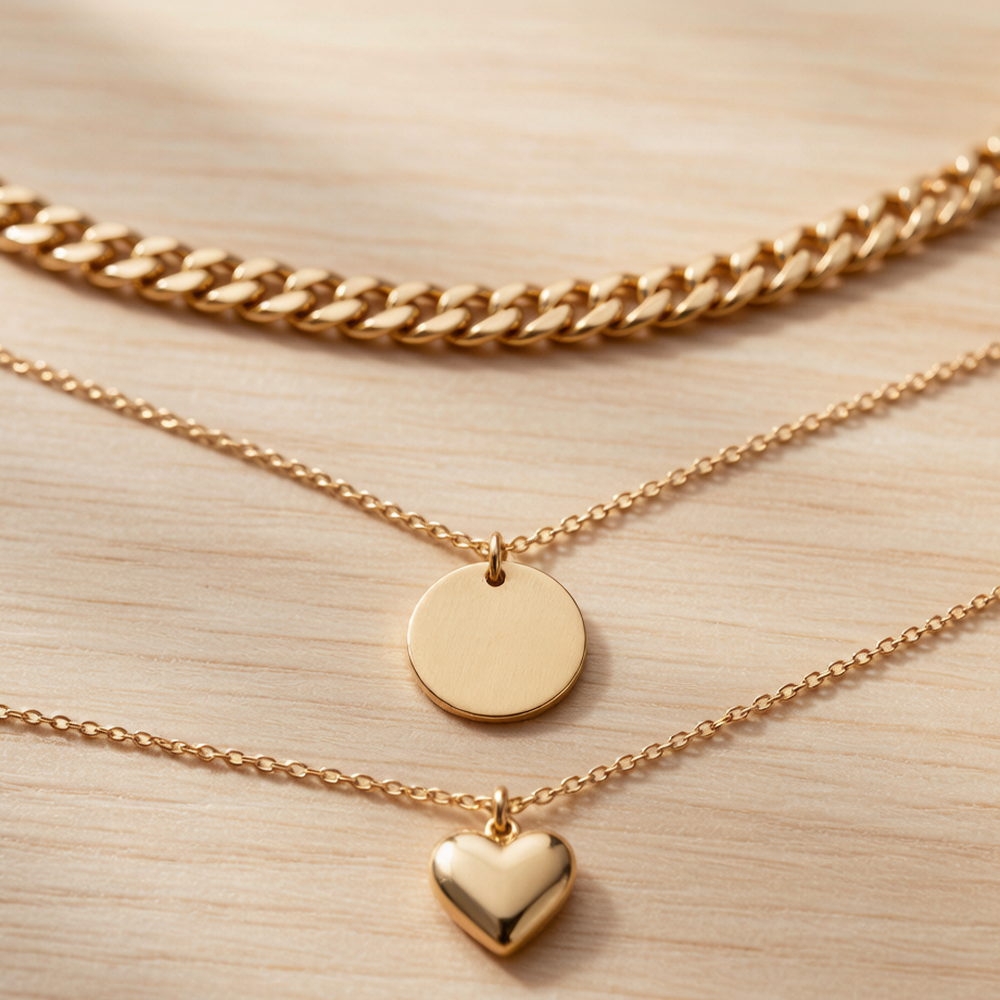
A chunky gold curb chain and two fine gold-tone pendant chains with a disc and a heart charm, laid out in parallel on a warm wood surface
Same base, same plating route — a board that can grow into a set.
Category 03

Rings

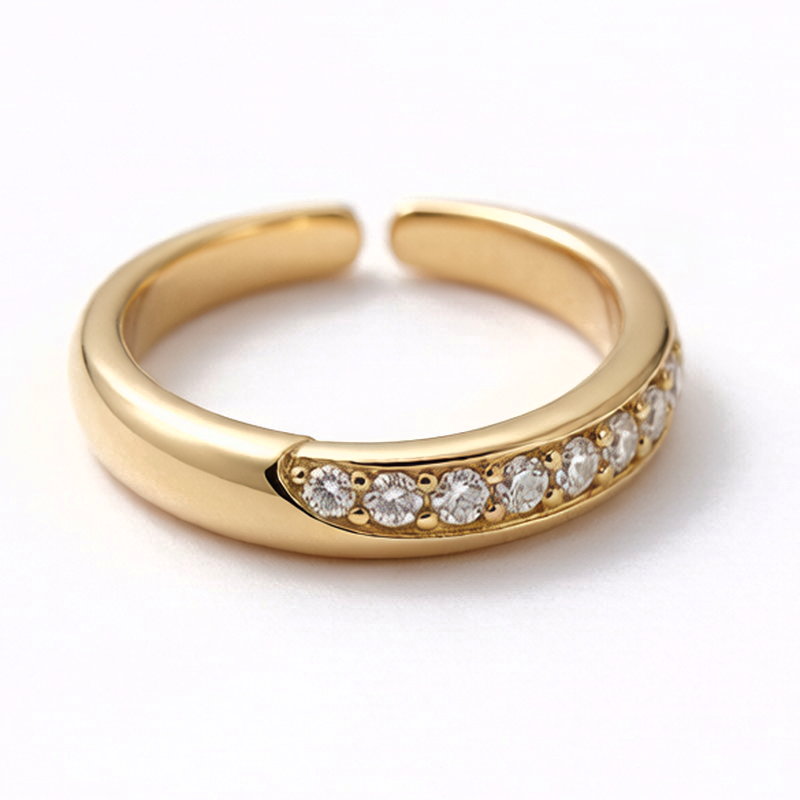
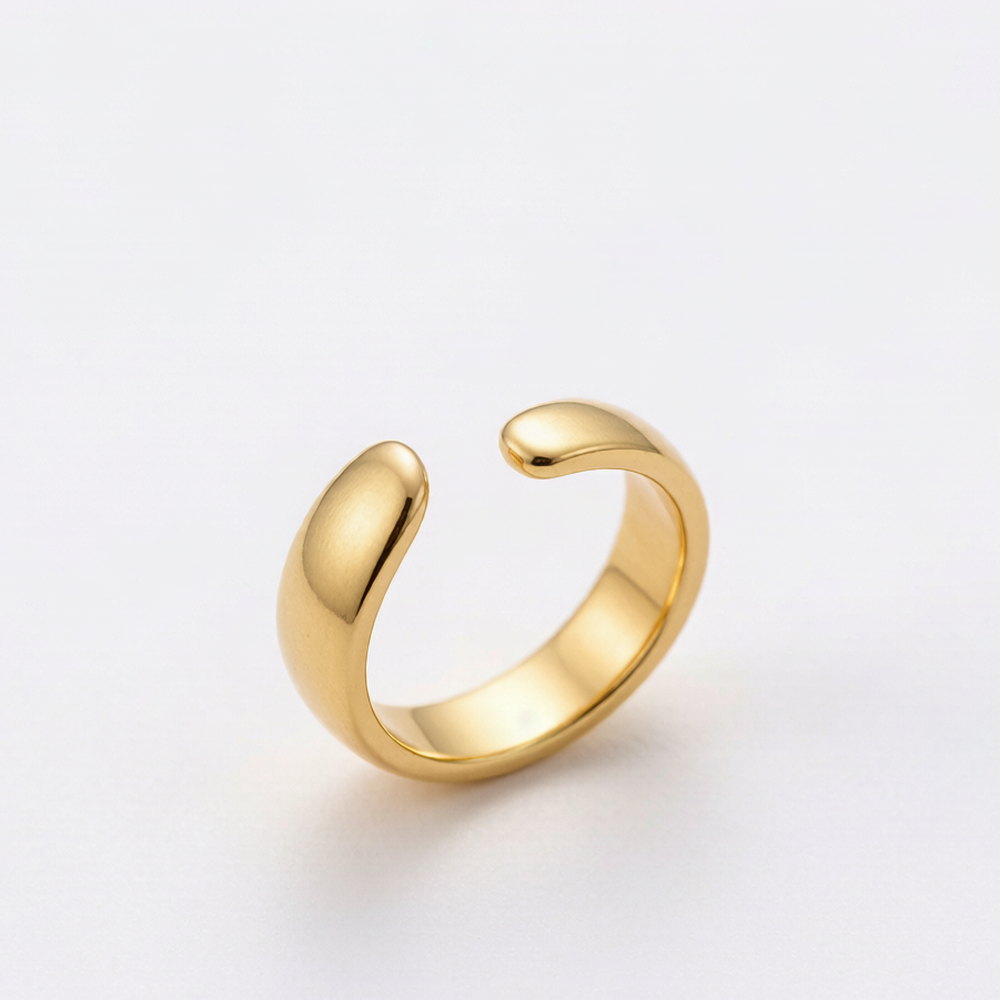
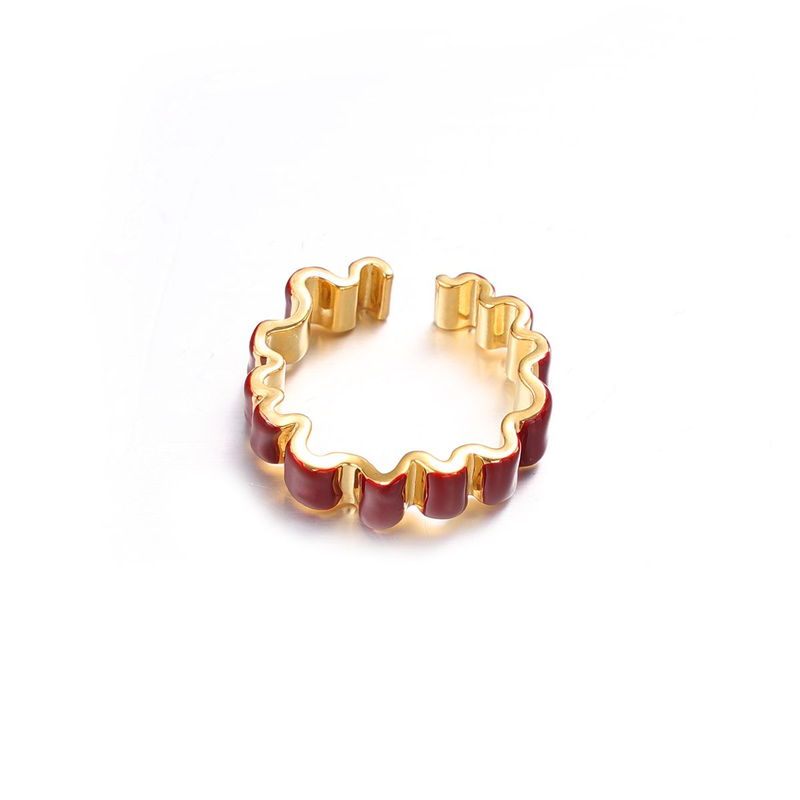
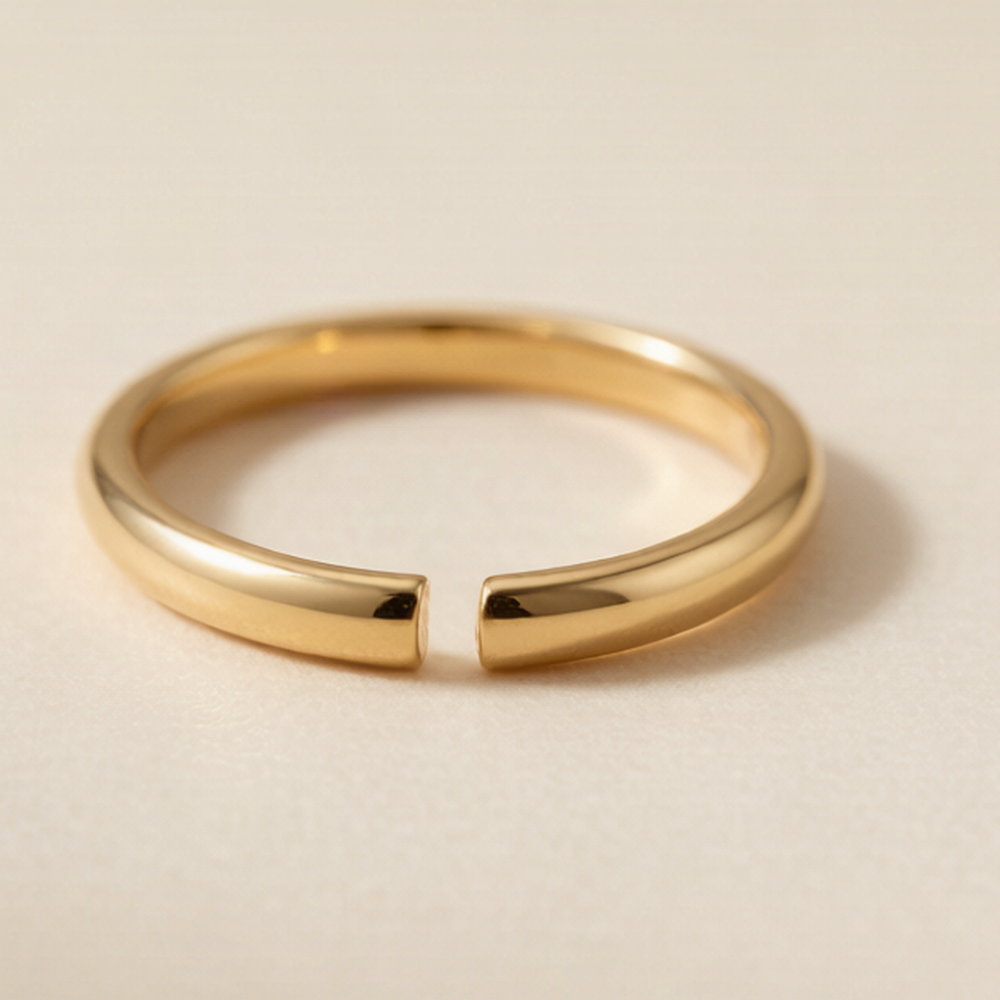
Rings are the third category, and the one with a specific trap: fixed sizing. A ring style in five US sizes is five SKUs before anyone has tested whether the style sells. So ring sampling here leans toward open or adjustable bands first, and fixed sizing only after a style proves itself.

What we check on every ring direction

  • Measured inner diameter — per size, measured rather than taken from the supplier's size chart.
  • Band thickness and comfort — whether the inner edge is rounded or left sharp, which decides whether it is wearable.
  • Sizing spread — how much the finished diameter varies inside a single size across one batch.
  • Open-band spring — whether an adjustable band still grips after being opened and closed repeatedly.
  • Setting security at the band edge — small set stones on a band lose their seat faster than on an earring.
  • Plating wear on the inner surface — the area that touches skin and is never shown in a supplier photo.
SKU discipline: a fixed-size ring line in five sizes is five times the inventory and five times the photography before a single style is validated. Sampling open bands first keeps the first order small enough to actually read the result.
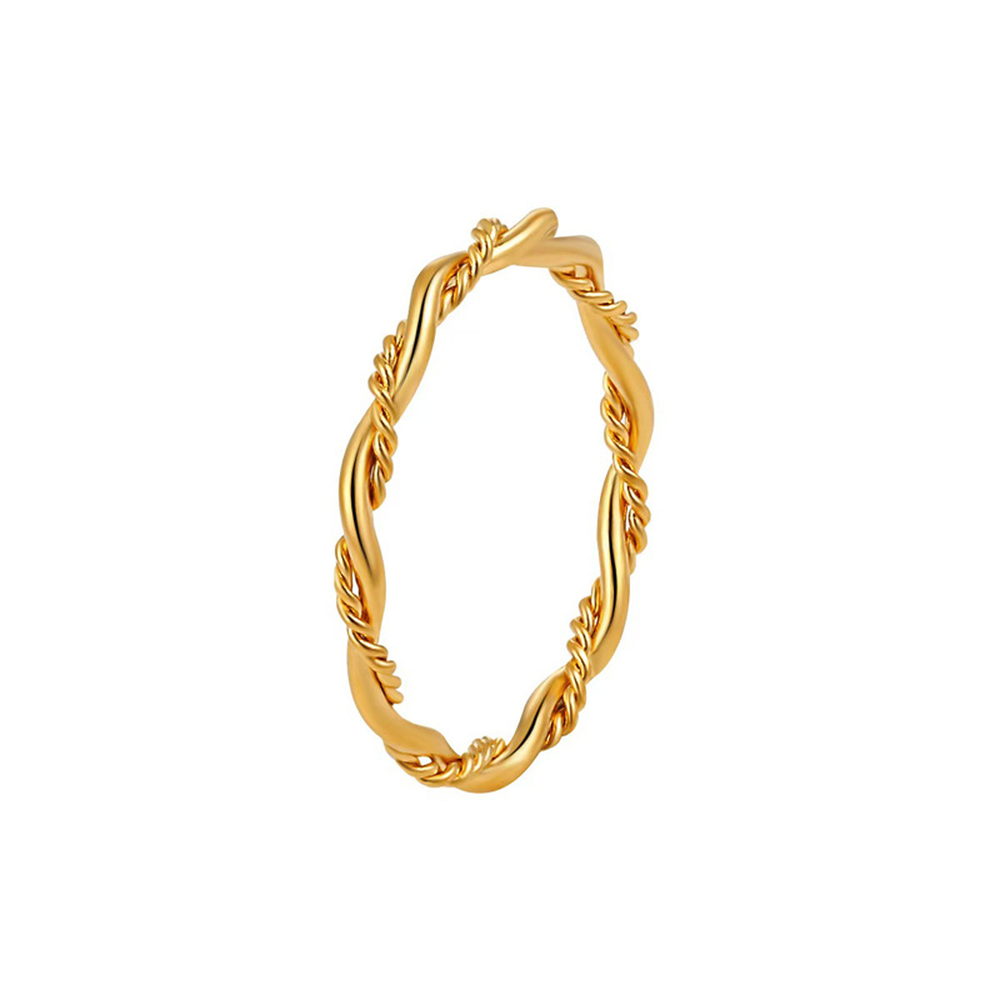
A plain polished gold-tone open adjustable ring with a narrow gap, resting flat on a pale surface
Ring sampling leans toward open and adjustable bands first.
Choosing between them

Which category to put your first sample money into

Use this to decide where to start, not to sample all three at once.

If your situation is… Start with Why
First time sourcing this category Earrings — textured Lowest production risk, fastest sample cycle, and the cheapest way to find out whether a supplier communicates clearly.
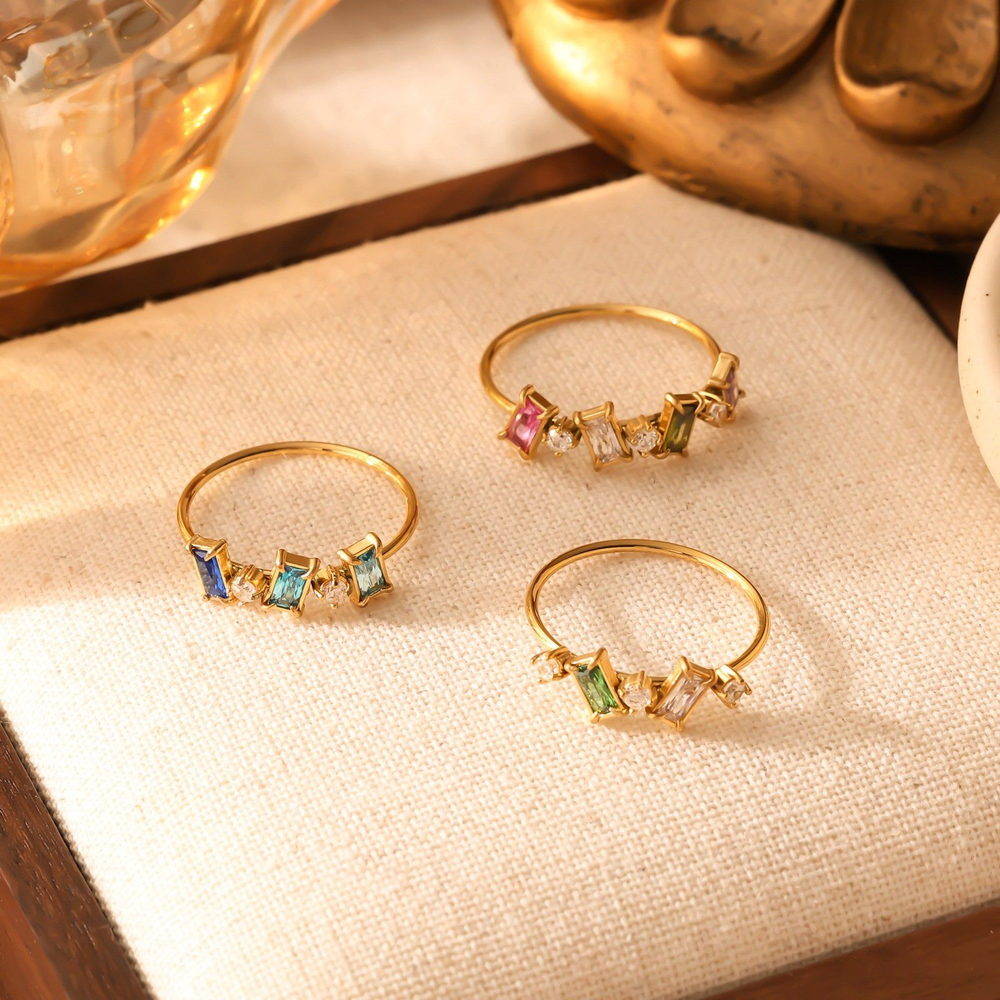
Price band assumes stones Earrings — pave CZ Setting quality is the difference between a piece that reads as jewelry and one that reads as costume.
You already sell earrings and need more basket Necklaces & chains Same buyer, same base metal, same plating route. It is the cheapest way to raise order value without opening a new supplier relationship.
You want a set for a boutique display Earrings + one chain A boutique usually needs a group of pieces rather than a single item, so a small matching pair reads as a collection instead of a sample.
You want to test a new price tier Rings — open band One adjustable SKU covers a size range, so a new tier can be tested without committing to five sizes of inventory.
Uncertain about your own price band Earrings — textured Establish the cost floor first. Adding stones or a second category to an unknown cost base makes the quote unreadable.
All directions are confirmed case by case on base material, plating route, MOQ, sample fee, sample time and bulk lead time. Nothing on this page is a standing price or a standing MOQ. Images are style references, not a claim of stock or of an existing supply relationship.

Send one reference and we will tell you which direction is realistic

Include the retail price you are targeting. If the direction you want does not fit that band, we will say so before you pay for samples.