Home/QC & packing
Quality control

The part most sample orders skip

A sample that passes is not the same as a production run that matches. Small jewelry fails in bulk in five predictable places, and all five are cheap to check and expensive to discover after the shipment clears customs. This page lists what we document, what we do not, and the record you keep so a reorder two seasons later still matches.

Five checkpoints

What we document on every small huggie project

Checkpoint 01

Plating tone and uniformity

Photographed against a fixed reference under consistent light, next to the approved sample. Gold-tone is the fastest variable to drift between lots, and the one most often photographed dishonestly.

Failure signal: tone reads warmer, greener, or flatter than the approved piece in the same lighting.

Checkpoint 02

Stone setting and coverage

Coverage, gaps between stones, tilt, seating height, and any visible adhesive. Setting work is where a supplier's real capability shows, because it is the hardest step to fake and the easiest to rush.

Failure signal: visible base metal between pave rows, stones sitting proud, or adhesive visible under magnification.

Checkpoint 03

Surface, polish and edge finishing

Scratches, tool marks, and edge burrs — with particular attention to the ear post, which is touched every time the earring is put on and is where a rough finish is felt first.

Failure signal: a polished sample arriving with a brushed post, or a burr on the hoop edge that the sample did not have.

Checkpoint 04

Closure, hinge and fit

Hinge tension, alignment of the two halves, and whether the post seats firmly under normal handling. A closure that loosens after three wears is the most common functional complaint on small hoops.

Failure signal: softer hinge resistance than the sample, or the post needing noticeably more force to seat.

Checkpoint 05

Packaging as actually shipped

Photographed, not assumed: earring card, pouch, box, insert, and any label or barcode. Packaging is part of the product in boutique retail and is usually the last thing anyone checks.

Failure signal: a different card stock, a missing insert, an unreadable label, or packing that will not survive transit.

The baseline

Why every check references the approved sample

"Good quality" is not a standard anyone can check against. Every checkpoint above is compared to the physical sample you approved, photographed under the same conditions — so the question stops being "is this nice" and becomes "is this the same".

Why photos carry the weight

Documentation is the only thing that survives the time difference

Most buyers are eight to twelve time zones away from the workshop. By the time a problem is visible, the production run is finished. Photographed checkpoints are not a substitute for a physical inspection — they are the only mechanism that lets a decision be made at the right moment rather than two weeks late.

  • A fixed reference in frame. Tone and colour are meaningless without something constant beside them.
  • The same five angles every time. Front, back, ear post, closure, and setting close-up.
  • The approved sample in the same shot where possible, so the comparison is visual rather than remembered.
  • Timestamps and the project reference attached, so a seasonal reorder can be traced back.
Stated limitation: photographs cannot verify material composition, plating thickness in microns, or any regulatory claim. Those require the supplier's own documentation, and we will tell you when a question cannot be answered from a photo.
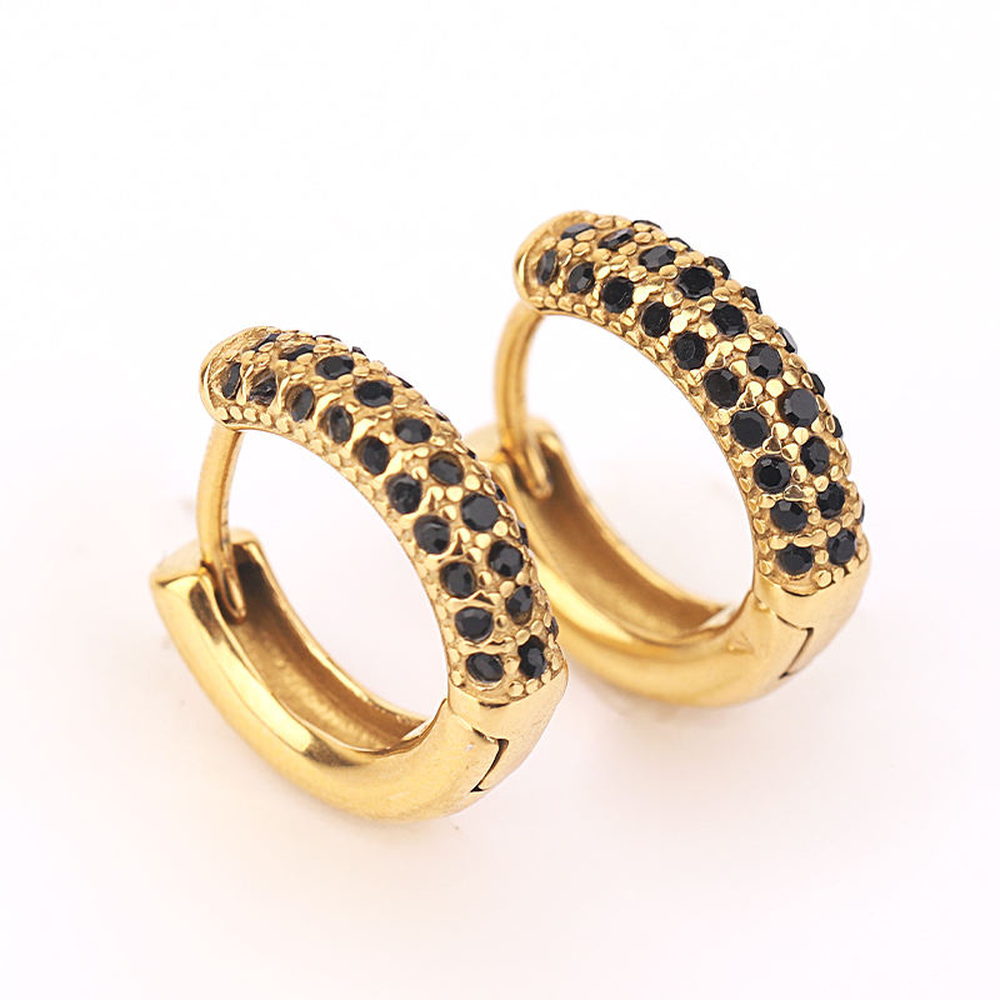
Close view of gold-tone huggie earrings set with rows of small pav stones, showing coverage and setting edges
Sample points are documented, so the bulk comparison has a baseline.
Two gold-tone bead-textured huggie earrings presented on a wooden block
Packaging is checked as shipped, not as described — it is part of what your customer receives.
Packaging

What we check, and what is confirmed before packing starts

Packaging decisions are usually left to the last week and then made in a hurry. The specifications below are confirmed before the run is packed, because changing card stock or box size after packing has started is the most expensive kind of rework.

ElementWhat is confirmed
Earring cardSize, card stock weight, finish, hole position, and whether a printed or applied logo is used.
PouchFabric, dimensions, drawstring type, and whether the pouch or the card is the primary holder.
BoxDimensions, board thickness, lid type, insert material, and how the piece is held in transit.
Protective layerTissue, foam, or anti-tarnish paper, and whether it is safe against plated surfaces.
Labels and barcodesBarcode type, placement, and whether the label must survive retail scanning after shelf storage.
Master cartonUnits per carton, gross weight implication, and whether the carton is fit for the final shipping mode.
Boundary: we confirm and document what is packed. We do not design your packaging, print your branding, or act as your customs agent.
The record you keep

Why a reorder drifts, and how to stop it

The second order is where most small jewelry brands lose quality — not because the supplier got worse, but because the reference got lost. Keeping five fields makes the difference.

FieldWhat to recordWhy it matters on reorder
Base material Exactly what was used, not the general category. "Brass" and "brass with a specific alloy and finish" behave differently once plated.
Plating spec Colour name, process, and thickness if the supplier will state it. Plating is the number one source of "it looked different this time".
Approved sample photos The five fixed angles, with the reference object in frame. Turns a remembered comparison into a visible one.
Packaging spec Card, pouch, box, insert and label details as shipped. Packaging quietly changes when a supplier switches their own supplier.
Measured dimensions Outer diameter, hoop thickness, ear post length and gauge. Millimetre drift is invisible in photos and obvious to the customer.

Want this documented on your next sample round?

Tell us the direction and your target price band. The checkpoints above are applied from the first round, not bolted on after something goes wrong.